EPHORSYSEPHORSYS
Ephorsys
Home
AboutBlogCareer
Hero background
Blogs

Our Blogs

We deliver reliable, result-driven digital solutions.

Ephorsys
Knowledge Hub

Insights & Industry Thinking.

At Ephorsys, we don't just build software — we share what we learn. Dive into expert takes on AI, cloud architecture, digital transformation, and the strategies powering the next generation of technology.

AI & AutomationCloud SolutionsWeb DevelopmentIT StrategyUX & Design
Ephorsys team working together

“Turning complex technology into clear, actionable insights — that's the Ephorsys way.”

Verified · Ephorsys
✍️

Weekly Posts

Fresh insights

Latest Articles
View all
Why Your Business Needs a Website in 2026 (Not Just Social Media)
01
Web Dev
Shantanu Sabyasachi Swain

Shantanu Sabyasachi Swain

Full Stack Engineer · Jan 10, 2026

Why Your Business Needs a Website in 2026 (Not Just Social Media)

Social media gives you reach — but a website gives you ownership. We break down why every serious business needs a professional website in 2026, and what happens when you rely only on Instagram or Facebook.

At Ephorsys, we've worked with dozens of businesses that built their entire presence on social platforms — only to lose reach overnight due to algorithm changes or account issues. A website is your owned digital real estate. It gives you control over your brand, your SEO, your data, and your customer journey. In 2026, not having a website isn't just a missed opportunity — it's a credibility gap your competitors will exploit.

React vs Next.js — Which One Should You Choose for Your Project?
Web Dev
02

Web & App Development

React vs Next.js — Which One Should You Choose for Your Project?

Both are powerful, but they solve different problems. Our engineering team breaks down when to use React alone vs when Next.js is the smarter choice — with real project examples from our work.

React is a UI library — fast, flexible, and unopinionated. Next.js builds on top of React to add routing, SSR, SSG, API routes, and image optimization out of the box. Our rule of thumb: if you're building a standalone SPA or a component library, stick with React. If you're building a production web application that needs SEO, fast page loads, or a backend API layer, Next.js is almost always the better call. It's the framework we default to for 90% of our client projects.

BiswaRanjan Rout
BiswaRanjan RoutJan 18, 2026
How Much Does It Cost to Build a Website in India? (2026 Guide)
Web Dev
03

Web & App Development

How Much Does It Cost to Build a Website in India? (2026 Guide)

From a ₹5,000 landing page to a ₹5 lakh SaaS platform — we break down what actually drives website costs in India, what you're really paying for, and how to avoid being overcharged.

Cost is driven by three factors: complexity, design fidelity, and ongoing maintenance. A basic landing page can be done in 2–3 days and costs ₹5,000–₹15,000. A multi-page business website with custom design runs ₹30,000–₹1,20,000. A full-stack web app or SaaS product starts at ₹2,50,000 and scales with features. Red flags: agencies quoting ₹5,000 for 'everything' are usually using templates with zero customisation. Always ask for a breakdown — design, development, content, and hosting are separate line items.

Sashwat Mohanty
Sashwat MohantyFeb 3, 2026
7 Signs Your Website Is Actively Hurting Your Business
Web Dev
04

Web & App Development

7 Signs Your Website Is Actively Hurting Your Business

A bad website doesn't just fail to help — it actively drives customers away. Here are 7 red flags our team spots during audits, and what we do to fix them fast.

The seven signs: (1) Page load over 3 seconds — you're losing 40% of visitors before they see anything. (2) Not mobile-responsive — 70%+ of traffic is mobile in India. (3) No HTTPS — browsers warn users before they even land. (4) Unclear CTA — visitors don't know what to do next. (5) Stock photos everywhere — instant trust killer. (6) Outdated copyright year in the footer — signals neglect. (7) Broken contact forms — you're losing leads in silence. Each of these is fixable in under a sprint.

Samir Kumar Swain
Samir Kumar SwainFeb 14, 2026
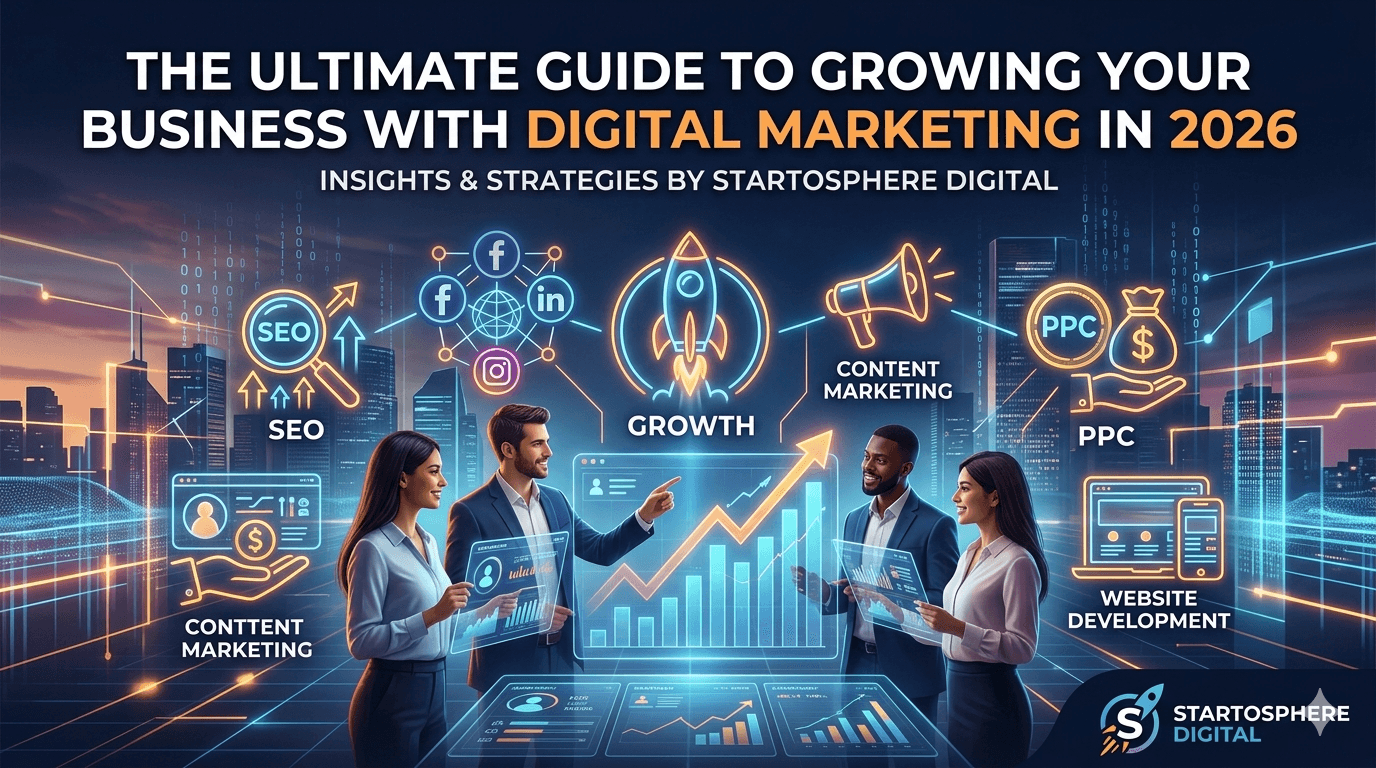
How to Get Your First 100 Customers Online (Without Paid Ads)
Growth
05

Digital Growth & Marketing

How to Get Your First 100 Customers Online (Without Paid Ads)

Paid ads aren't the only path. We share the exact organic growth playbook we've used with early-stage clients — from SEO content to LinkedIn outreach — to land their first 100 customers.

Our organic playbook has five moves: (1) Publish one high-intent SEO article per week — target problems your customers are already Googling. (2) Claim and optimise your Google Business Profile — free, often ignored. (3) Post case studies on LinkedIn, not just announcements — results get shares, product updates don't. (4) Partner with adjacent freelancers who serve your target customer — they refer, you refer back. (5) Build a 'Start Here' email sequence for new subscribers — it converts 3–5× better than a broadcast newsletter. Clients following this playbook consistently hit 100 customers inside 90 days.

Ankita Panda
Ankita PandaDec 20, 2025